PIWI wines
What are PIWI wines? Explore resistant grape varieties, their enological potential, and why they are leading the future of sustainable, pure viticulture now.
ALL ABOUT WINE
5/12/20267 min read
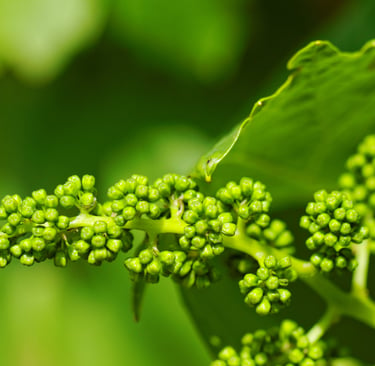
The Silent Revolution of the Vineyard
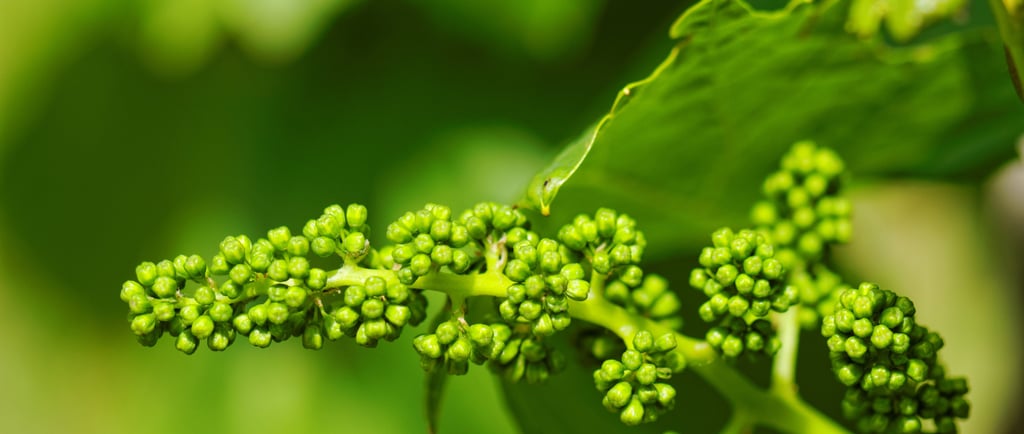
The global wine industry finds itself at a historic crossroads where tradition alone is no longer enough to guarantee survival. Climate change has ceased to be a theoretical projection and become a systemic challenge: erratic temperatures and unprecedented pathogenic pressure are threatening the integrity of the world's most iconic terroirs. In this context, PIWI wines do not emerge as a simple technical alternative, but as a disruptive paradigm. We are witnessing a silent revolution that proposes a bold synthesis between scientific rigour and sensory excellence, marking the definitive turning point towards a viticulture that does not merely survive, but thrives in adversity.
What defines a PIWI variety?
The term PIWI is an acronym from the German Pilzwiderstandsfähig, whose technical translation — "fungus-resistant" — encapsulates a fundamental biotechnological ambition. These varieties have been engineered to exhibit a robust, natural defence against the most devastating fungal threats to the vine: downy mildew (Plasmopara viticola) and powdery mildew (Uncinula necator).
From Necessity to Excellence
The genesis of these varieties can be traced back to the resilience that emerged in the wake of the phylloxera crisis. However, the cornerstone of this transition lies in the work of world-renowned academic institutions that have succeeded in closing the gap between the "rustic resistance" of early crossings and the "oenological sophistication" of today. The Julius Kühn Institute (Germany), the Fondazione Edmund Mach (Italy) and the Institute of Vine and Wine Sciences in Bordeaux have led the way, transforming experimental hybrids into varieties capable of producing world-class wines.
The Genetic Improvement Process
Developing a new PIWI variety is a process of extreme technical complexity that unfolds over decades. The challenge lies not only in transferring resistance genes from wild vines, but in ensuring that the sensory profile of Vitis vinifera remains intact. This "long wait" — as documented in specialist literature — involves thousands of crossings and micro-vinifications to ensure that commercial viability does not compromise elegance, avoiding the undesirable characteristics of older hybrids while prioritising a first-rate tannin and aromatic architecture.
The Three Pillars of PIWI Impact
The deployment of resistant varieties rests on three foundations that are redefining the sector's competitiveness:
Environmental Sustainability: The drastic reduction — of up to 80–90% — in fungicide applications represents a significant ethical and ecological advance. Beyond protecting aquifers and soil health, this pillar crucially safeguards the health and safety of vineyard workers, minimising their exposure to chemical agents. The resulting biodiversity transforms the vineyard into a living, balanced ecosystem.
Climate Resilience: These varieties exhibit superior adaptability to thermal volatility and extreme humidity regimes, ensuring stable yields in conditions where traditional varieties would succumb to disease pressure or water stress.
Economic Efficiency: Resource optimisation is total. Fewer mechanical and chemical interventions translate into a notable reduction in operating costs. These savings allow the winegrower to reinvest strategically in quality, improving the competitiveness of the final product in a global market that is increasingly demanding in terms of both price and responsibility.
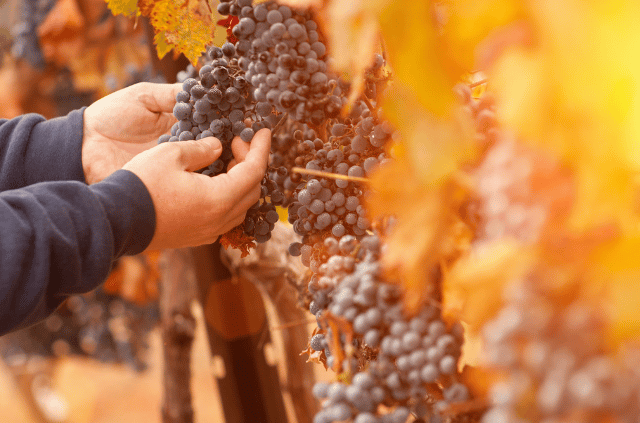
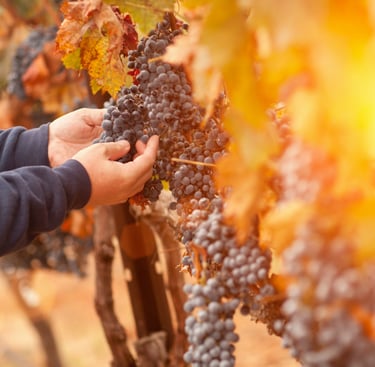
Varietal Profiles and Oenological Potential
White Varieties
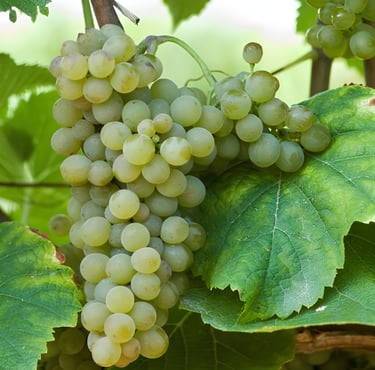
Solaris: Early-ripening variety with notable resistance to cold and fungal diseases, particularly downy mildew. The wines are characterised by marked acidity, with dominant aromas of green apple and citrus. In Germany it occupies 91 hectares. It also has a presence in Belgium, Denmark, Sweden, Switzerland, and Norway.
Muscaris: Early-ripening variety with high yields and good frost tolerance, resistant to downy mildew and botrytis. It produces white wines with high acidity and an aromatic profile dominated by muscat character. It was authorised as a quality wine variety in Austria in 2018, following an extended evaluation period. In Switzerland, four hectares were designated in 2016.
Bronner: Medium to late-ripening variety, tolerant of frost, powdery mildew, downy mildew, and botrytis. The wines are full-bodied whites with moderate acidity, aromas of apple, pear, and citrus, and a slightly bitter finish. It is cultivated in Belgium, Germany, Italy, Austria, and Switzerland.
Souvignier Gris: Medium-early-ripening variety with high yields and resistance to frost, downy mildew, and botrytis — the latter aided by the loose-berried cluster structure. It produces structured, fruity white wines with tropical nuances and a distinct mineral character, comparable in profile to Pinot Blanc or Sauvignon Blanc. Cultivation is concentrated in France, Italy, Germany, Austria, Switzerland, the Netherlands, Denmark, and Sweden.
Soreli: Early-ripening variety with regular yields, resistant to frosts down to -24 °C and to downy mildew. The wines are white, fruity, and floral. It is authorised in IGT wines from the Italian regions of Lombardy and Veneto. Vineyards exist in the canton of Ticino, Switzerland.
Sauvignon Rytos: Medium-ripening variety with high resistance to downy mildew and moderate tolerance to powdery mildew, as well as frost resistance down to -23 °C; it shows moderate susceptibility to botrytis. The wines are white, fresh, and fruity, with aromas of redcurrant, citrus, and green apple, and a light herbaceous note. Official cultivation is documented primarily in Italy — Friuli Venezia Giulia and Emilia-Romagna — though it is not authorised for DOC wines. Outside Italy, research trials exist in Brazil (Santa Catarina) and there is exploratory interest in New Zealand, Germany, and Switzerland.
Red Varieties
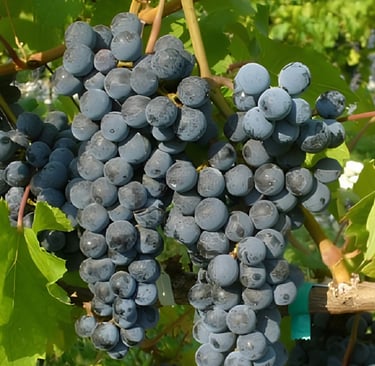
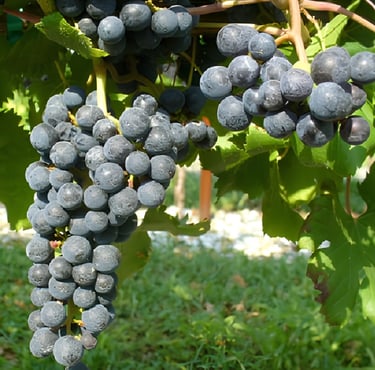
Regent: Medium-early-ripening variety resistant to downy mildew and botrytis, with frost tolerance. It shows susceptibility to phomopsis and black rot. The wines are deep-coloured reds with good body, firm tannins, moderate acidity, and aromas of cherry and blackcurrant. Germany accounts for the largest cultivated area, with 1,784 hectares. Additional plantings exist in Belgium, England, Italy, Austria, Romania, Switzerland, the Czech Republic, Hungary, and the United States.
Cabernet Cantor: Late-ripening variety with high resistance to powdery mildew and downy mildew, and good frost tolerance. It produces deeply coloured red wines with high extract and tannin content. Cultivation is documented in Switzerland.
Pinot Regina: A Hungarian variety obtained in 2004 from a cross between Pinot Noir and Kozma 99-1-48. It shows excellent resistance to downy mildew and powdery mildew, and good tolerance to winter frosts down to -20 °C. The aromatic profile is close to that of Pinot Noir. It is suited to both red wine production and the elaboration of sparkling wine base wines. Official cultivation is documented in Italy, within the framework of the VEVIR project conducted in Trentino.
Cabernet Eidos: Medium-ripening variety resistant to downy mildew and moderately tolerant of powdery mildew. The wines are fruity reds with a well-defined acid structure. It is authorised in IGT wines from Lombardy.
Merlot Khorus: Medium-ripening variety with regular yields, resistant to frosts down to -18 °C, to powdery mildew, and particularly to downy mildew. It shows moderate susceptibility to botrytis. The wines are full-bodied reds with ripe, well-integrated tannins, balanced acidity, and suitability for medium to extended ageing. It is authorised in IGT wines from Friuli-Venezia Giulia, Trentino-Alto Adige, and Veneto.
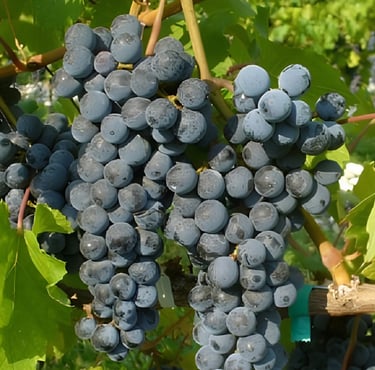
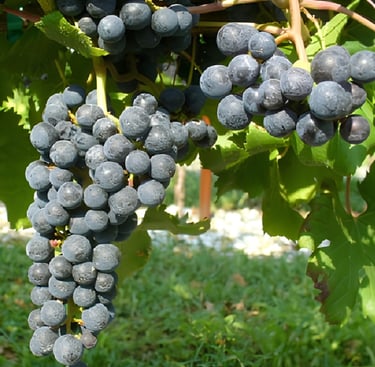
The Rise of PIWI Wines Around the World
Europe leads the way: the South Tyrol model Europe is at the forefront of the transition to resistant varieties, with Germany, Austria and Switzerland leading the charge. Among all regions, South Tyrol (Südtirol) has become the great benchmark: a territory with a centuries-old winemaking tradition that has embraced PIWI varieties not as a concession to sustainable fashion, but as part of its commitment to excellence. Its example demonstrates that genetic resistance and premium quality are not only compatible — they can go hand in hand.
Spain: from experimentation to commitment In Spain, the situation has evolved significantly in recent years. Regions such as Castilla y León, Catalonia, Navarre and the Basque Country are leading research projects aimed at exploring how these varieties can help address an increasingly extreme and arid climate, while preserving the identity and character of each territory.
The Americas: a long-term bet In North America, interest in PIWI varieties is growing, driven by the persistent pressure of fungal diseases in vineyards across the United States and Canada. In the Southern Hemisphere, Chile and Argentina see these varieties as a strategic opportunity to build a more resilient wine industry in the face of the region's growing water and heat challenges.
Conclusion: A Toast to the Future
PIWI wines represent the necessary convergence between winemaking heritage and scientific innovation. This is not a fleeting trend, but a structural and indispensable element for the survival of the global industry. In embracing these varieties, the sector does not only adopt efficiency and environmental sustainability — it responds to an ethical demand from the market. PIWI wines stand as proof that the most authentic tradition is one that knows how to evolve in order to preserve its essence. Here's to the vineyard of tomorrow: resilient, outstanding and profoundly responsible.
Sources consulted: PIWI International: piwi-international.org - wein.plus - politicheagricole.it - Julius Kühn-Institut, Germany
Read more posts


A Variety Reclaimed
Age-Worthy vs. Early-Drinking Wines
When is the Best Time to Pop
the Cork?
Non-Alcoholic Wine
The Trend Reshaping the Market
Godello grape


Mencia Grape
Origin, Characteristics & Food Pairings
Your comment here
Contact
Inquiries & Consultations — Get in touch here
© 2026. All rights reserved.
Descubre mis libros en Español