Mencia Grape: Origin, Characteristics & Food Pairings
Discover everything about the Mencia grape, including its origin, growing regions in Spain and Portugal, unique organoleptic characteristics, and perfect food pairings. A red variety that captivates wine lovers.
GRAPE VARIETIES
5/11/20265 min read
The Mencía Grape Uncovered
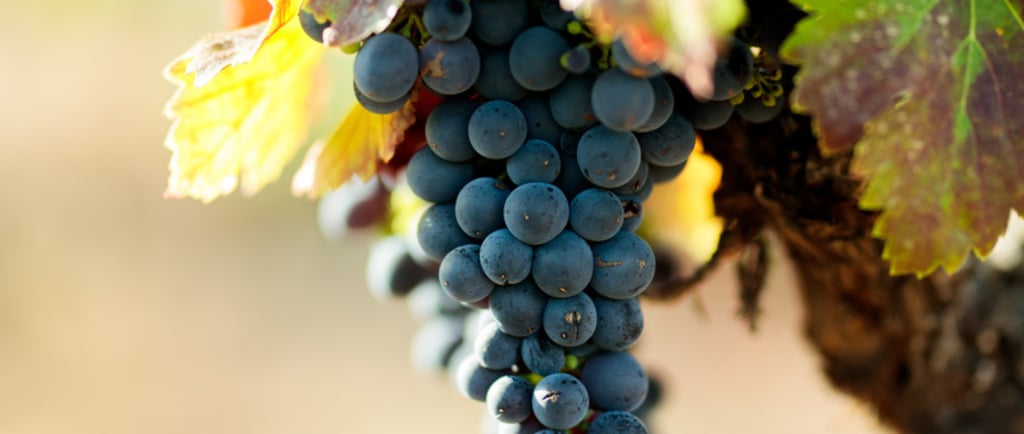
Mencía is a red variety indigenous to the northwest of the Iberian Peninsula, with roots in the region that, according to some sources, date back over two thousand years. Cultivated primarily in Galicia, Castilla y León, and the Portuguese region of Dão, it has gained increasing international recognition thanks to the quality and singularity of its wines. In this article, we explore its origins, lineage, synonyms, primary growing regions, and organoleptic characteristics.
Origins and Lineage
The origin of Mencía has been a subject of debate for decades. An initial theory suggests it is a direct descendant of the French Cabernet Franc, introduced to the Peninsula by pilgrims on the Way of St. James (Camino de Santiago), which progressively evolved into the variety we know today. However, this hypothesis has been challenged by researchers who point out that Mencía shares more traits with other Iberian varieties than with Cabernet Franc.
A second school of thought suggests that Mencía may descend from an ancient Spanish variety known as Jaén, cited in historical documents, or that it is a completely indigenous variety that evolved independently in the region.
In Portugal, specifically in the Dão, the variety is called "Jaen." Recent DNA analysis confirmed that the Jaen from Dão is genetically identical to Mencía (Martín et al., 2006). It is important to clarify that Jaén Tinto—an ancient and nearly extinct variety from southern Spain—is a distinct grape and should not be confused with Mencía, although it has been erroneously referred to by that name in parts of El Bierzo.
Subsequent research suggested that Mencía might have resulted from crosses between Garnacha and other varieties (Martínez, Santiago et al., 2006), a hypothesis refuted by De Mattia et al. (2009), who concluded there is no genetic relationship between the two. The higher level of genetic variability found in Spanish Mencía, compared to the greater homogeneity of Portuguese Jaen, supports the Spanish origin of the variety; it was likely brought to the Dão by pilgrims returning from Santiago de Compostela.
What remains indisputable is the quality of its wines: renowned for their deep red color, aromas of ripe red and black fruits, and a fresh, spicy profile, Mencía wines have successfully earned their place in international markets.
Synonyms of Mencía
Mencía is known by various names depending on the growing region. Among the most common are:
Spain: Jaén, Negra, Tinta Mencía, Negra Brava, Mencía Pajaral, Mencía Pequena, Tinto de Santiago, Tinta Mollar, Mencin.
Portugal: Jaen, Loureiro Tinto, Fernão Pires Tinta, Gião.
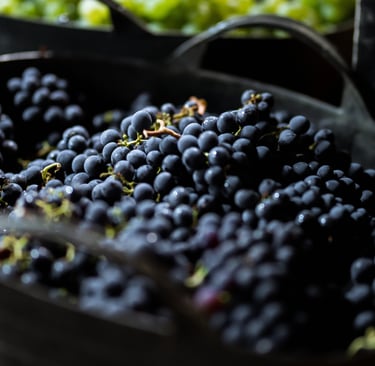
Agronomic and Organoleptic Characteristics
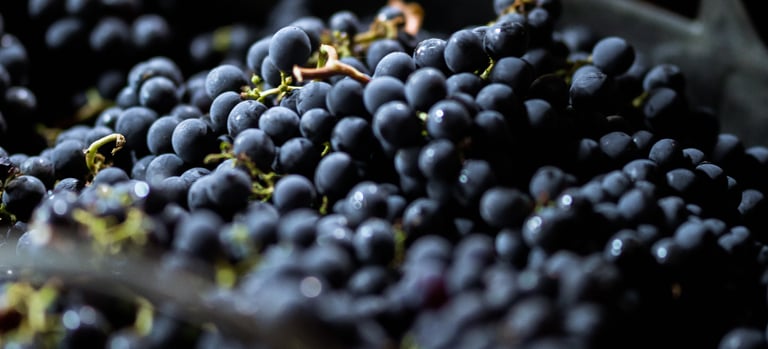
Mencía is an early-ripening variety that typically completes its maturation between September and October. It produces medium-sized clusters with berries that have thin yet resilient skins. Like all Vitis vinifera varieties, it possesses no natural resistance to phylloxera; therefore, it is currently cultivated on tolerant rootstocks.
Wines crafted from Mencía display an intense, brilliant purplish-red color. On the nose, they offer aromas of red fruits—strawberry, raspberry, and cherry—alongside floral notes and hints of spice. On the palate, they are fresh and elegant with balanced acidity and soft, well-integrated tannins.
El Bierzo (Castilla y León)
In this Denominación de Origen, Mencía has been cultivated for centuries and stands as the flagship red variety. The wines are deep red, featuring aromas of black and red fruits—cherries and raspberries—with notes of spices, wild herbs, and, in some instances, a subtle ferrous (iron) undertone. They typically possess a medium body and a persistent finish.
Galicia (Ribeira Sacra and Monterrei)
In these two Galician denominations, Mencía yields ruby-red wines with aromas of red and black fruits—cherries and blackberries—alongside spicy and herbal notes. Their profile is generally lighter and fresher than those from Bierzo, often defined by a distinct mineral edge.
Dão (Portugal)
The finest Jaen wines from the Dão originate in the sub-regions of Seia and Gouveia. These wines are deeply colored and soft on the palate due to their lower acidity, featuring delicate aromas of raspberry and blackberry. They range from a slightly rustic character to a more elegant one and are generally intended for relatively youthful consumption, particularly those made via carbonic maceration. To provide greater structure and aging potential, Jaen is frequently blended with other varieties, such as Touriga Nacional.
Food Pairings
Mencía wines — vibrant and aromatic, with notes of red fruits, spices and herbs, balanced acidity and medium body — offer remarkable gastronomic versatility.
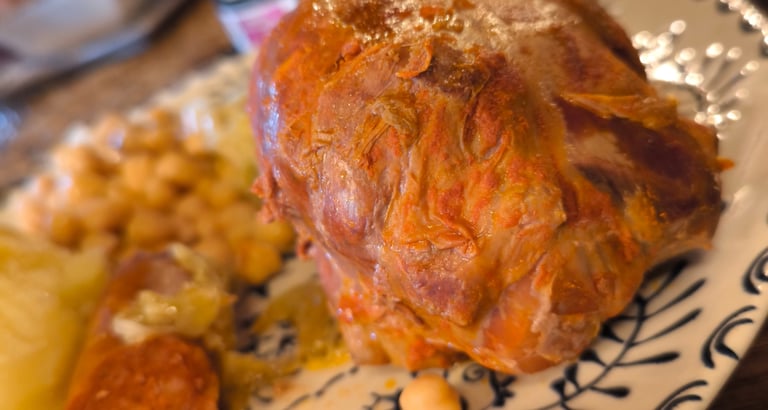
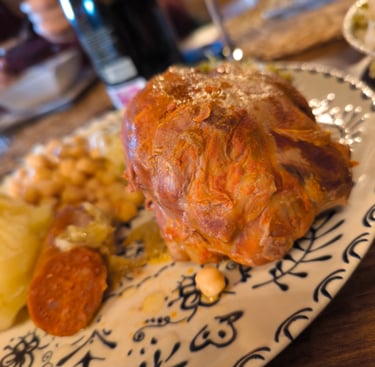
El Bierzo: The most natural and celebrated pairing is that of Bierzo Mencía with botillo del Bierzo, a traditional cured meat made from marinated and smoked pork rib and tail. The rich fattiness of the botillo finds an ideal counterpoint in the freshness and soft tannins of Mencía. It also pairs beautifully with cecina de León — air-cured beef — and with pimientos asados del Bierzo, roasted peppers whose smoky sweetness enhances the wine's ripe fruit aromas.
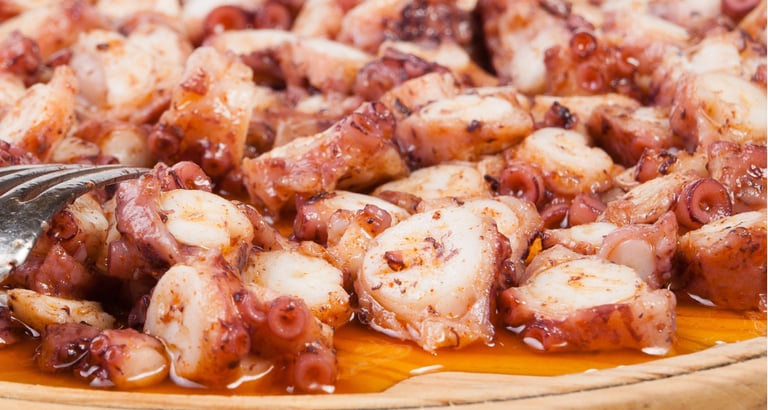
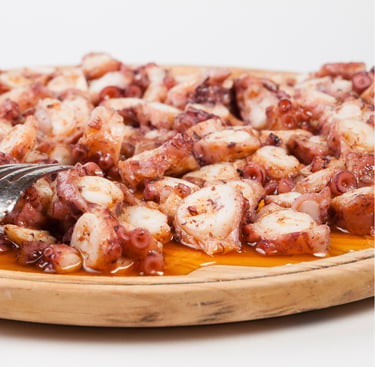
Galicia: In Ribeira Sacra and Monterrei, the fresher, more mineral profile of Mencía makes it a surprisingly effective companion for pulpo á feira — Galician-style octopus — where the texture of the cephalopod and the paprika engage in a lively dialogue with the wine's acidity and spiced nuances. Equally, lacón con grelos — the quintessential winter dish of cured pork shoulder with turnip greens — and empanada gallega de carne are classic pairings in which the variety shows its best.
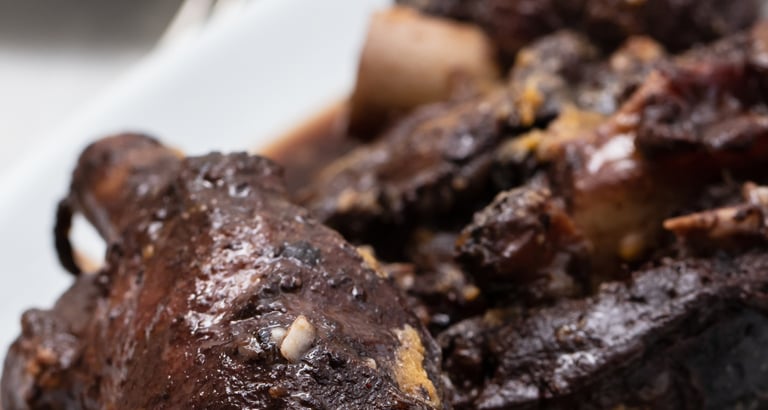
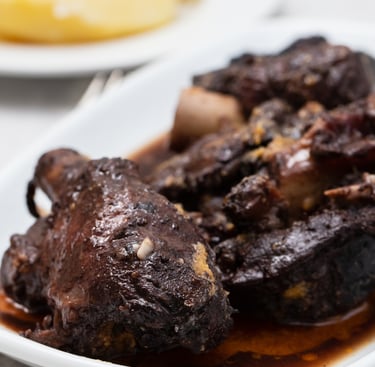
Portugal (Dão): The Jaén of the Dão pairs elegantly with chanfana, a traditional stew from the Beira region made with old goat slow-cooked in red wine, whose aromatic intensity and long cooking time harmonise beautifully with the wine's soft tannins and dark fruit aromas. Cabrito assado — oven-roasted kid goat, another emblem of Portuguese mountain cuisine — is equally a benchmark pairing in the region.
Read more posts


A Variety Reclaimed
Age-Worthy vs. Early-Drinking Wines
When is the Best Time to Pop
the Cork?
PIWI wines
why they are leading the future of sustainable, pure viticulture now.
Godello grape


Non-Alcoholic Wine
The Trend Reshaping the Market
Your comment here
Contact
Inquiries & Consultations — Get in touch here
© 2026. All rights reserved.
Descubre mis libros en Español