Non-Alcoholic Wine: The Trend Reshaping the Market
Non-alcoholic wine has shifted from a marginal alternative to a true ally of moderation, while wineries find themselves navigating a forced transformation. We analyse why the traditional model is being shaken by a consumer who, above all, demands versatility.
ALL ABOUT WINE
Cristina Etchego
6/19/20265 min read
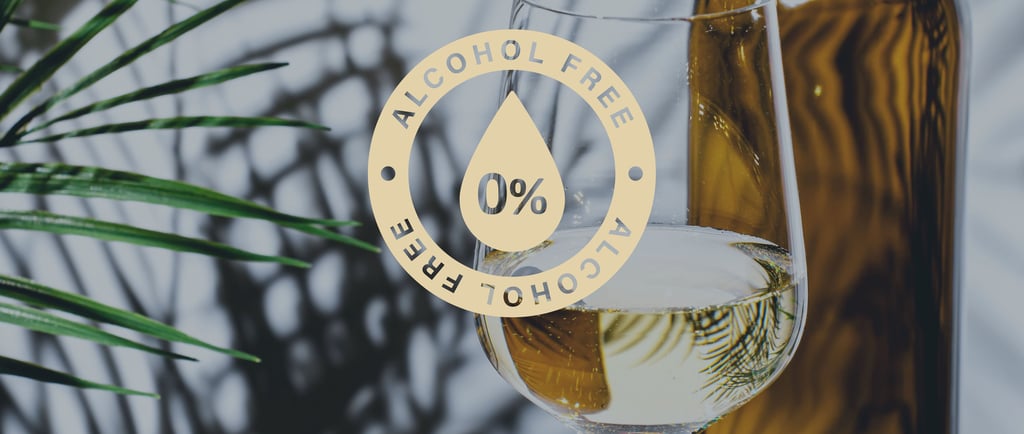
Non-alcoholic wine is no longer a novelty; it has become an increasingly visible category in shops, restaurants, and industry debates. What was once viewed as a curiosity now occupies its own dedicated space within the wine market.
This evolution is a direct response to shifting consumption habits, a new relationship with health, and a desire to enjoy the ritual of wine without always consuming alcohol.
What is Happening with Non-Alcoholic Wine
Non-alcoholic wine has left its grey area behind to establish itself as a genuine option. It is no longer just a fallback for those who cannot drink, but an ally for anyone looking to moderate their intake, alternate between beverages, or simply explore new offerings.
However, for wineries, this shift represents far more than a commercial opportunity—it is a structural challenge. The saturation of traditional channels is forcing the sector to transform its business models: moving from an offering focused solely on conventional wine to a forced adaptation to new demands, thereby preventing current stocks from becoming obsolete.
Why It Appeals So Much Right Now
The shift in mindset is key. An increasing number of people want to reduce their alcohol consumption without giving up a drink that offers complexity, aroma, and a proper presence at the table.
Wellness also plays a major role: rest, digestive health, lightness, and moderation are part of a new language surrounding consumption. Non-alcoholic wine fits perfectly because it allows people to participate in the ritual without the alcohol component.
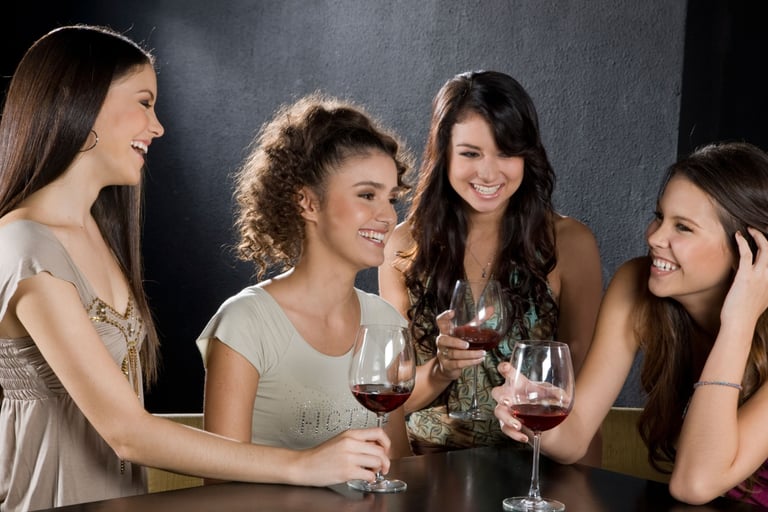
On a social level, consumers want to share an aperitif, dinner, or celebration, but with greater control over what they drink.
How Non-Alcoholic Wine is Made
Non-alcoholic wine does not start as a "wineless must"; it begins as a conventional wine from which the alcohol is subsequently removed.
The objective is to preserve aromas, freshness, and structure, though this is not always achieved equally. Alcohol provides volume (body), balance, and roundness, making its removal a significant technical challenge.
Simply removing the alcohol is not enough: it requires a solid enological foundation, a wise choice of style, and meticulous execution. Not all wines respond in the same way to the process.
The Most Common Dealcoholisation Techniques
There are several ways to remove alcohol, and each affects aroma, freshness, and structure differently:
Vacuum Distillation It is one of the best-known techniques. It works by introducing the wine into a system where the pressure is lower than normal, which reduces the boiling point of the alcohol. In this environment, alcohol evaporates at lower temperatures and can be separated with less risk of "cooking" the wine. The main advantage is that, by working at a lower temperature, a better part of the aromatic profile is preserved compared to conventional distillation. However, there are limits: even with moderate heat, there is always some risk of losing delicate nuances and freshness. For this reason, in the best cases, vacuum distillation is used with high precision and with a very well-balanced base wine.
Limit: Can lose delicate nuances if not tightly controlled.
Reverse Osmosis This is a more sophisticated, less thermal method. Instead of removing alcohol through heat, it separates the wine's components using a specialised membrane. The wine is passed through this membrane, which retains certain substances while allowing others—including alcohol—to be separated more easily. The key advantage is that it does not rely on heat, which helps to better preserve aromas, fruit, and freshness. This makes it particularly interesting for aromatic whites, rosés, and sparkling wines, where delicacy is paramount.
Limit: A complex process that requires very fine control; if not properly adjusted, it can disrupt the balance of the whole.
Controlled Evaporation Alcohol is removed through highly precise heating, designed so that the ethanol evaporates before other sensitive compounds. It is carried out under low pressure or conditions that lower the boiling point, aiming to minimise damage to the aromas. The challenge is that, even if the heat is moderate, it can affect the most delicate volatile compounds and create a sensation of a wine that is less fresh or even slightly "stewed" if not properly managed. Therefore, this technique demands great precision and a solid enological base. If the base wine is weak, the final product will clearly show it.
Limit: Can affect delicate volatile compounds and create a more "stewed" sensation if not properly controlled.
How the Market is Shifting
For wineries, non-alcoholic wine is a pathway toward diversification and a response to a real shift in demand. It allows them to expand their portfolio and connect with new audiences.
There is a growing presence in retail, online, and the hospitality sector, alongside increased visibility on restaurant wine lists and non-alcoholic pairing menus.
Positioning is delicate: price, image, and quality must be finely adjusted. If it is perceived as expensive or is poorly communicated, it loses momentum.
Myths and Debates Surrounding Non-Alcoholic Wine
Can it be called wine? Technically, many products originate from real wine, but culturally, the debate remains wide open.
Confusion with other 0.0 drinks: Not everything without alcohol is wine. Some products mimic wine, while others merely share the same occasion of consumption.
"It is always an inferior product": This is no longer true. There are wineries working with great seriousness and significantly improving quality profiles.
Where This Trend is Headed
Non-alcoholic wine is here to stay, although it is almost certain not to replace traditional wine. They are most likely to coexist as distinct categories in a more segmented market.
The future involves:
Enhancing the sensory profile
Greater specialisation by style
A better understanding of the consumer
The key is to stop thinking in terms of "absence" and to build an offering with a presence of its own. Non-alcoholic wine stands as a segment that demands quality, consistency, and transparent communication. We are in a consolidation phase where the true challenge will be not only technical but commercial: time will tell whether it establishes itself as a permanent habit or stabilizes as a complementary niche within an increasingly diverse market.
Read more posts


A Variety Reclaimed
Age-Worthy vs. Early-Drinking Wines
When is the Best Time to Pop
the Cork?
PIWI wines
why they are leading the future of sustainable, pure viticulture now.
Godello grape


Mencia Grape
Origin, Characteristics & Food Pairings
Your comment here
Contact
Inquiries & Consultations — Get in touch here
© 2026. All rights reserved.
Descubre mis libros en Español