Godello: A Variety Reclaimed
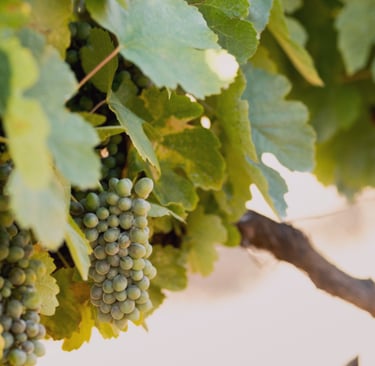
Godello is a premier white grape variety native to Northwest Spain, specifically the Valdeorras region in the province of Ourense, Galicia. In recent decades, this variety has experienced a remarkable resurgence after nearly facing extinction during the second half of the 20th century.
GRAPE VARIETIES
Cristina Etchego
3/30/20266 min read
The History of Godello
The origins of Godello stretch back centuries, and while its exact arrival remains undocumented, it is believed to have been cultivated in Valdeorras for over a thousand years. However, its presence diminished drastically during the 20th century due to several factors—most notably Phylloxera, the devastating louse that ravaged European vineyards.
The turning point came in the 1970s when a dedicated group of growers and enologists sought to rescue the variety from the brink of extinction. Their research and improved viticultural and winemaking techniques succeeded in highlighting the unique characteristics of the grape.
The Profile: Quality and Character
Godello is renowned for producing white wines of exceptional quality and distinct personality. Typically, these wines are crisp and aromatic with a well-balanced acidity. They offer a wide aromatic spectrum, ranging from stone fruits (peach and pear) and citrus to tropical notes and white blossoms.
Crucially, Godello possesses a remarkable capacity for aging. This has led to the production of age-worthy white wines that develop extraordinary complexity and elegance over time. Today, it stands as one of Spain's most prestigious white varieties, earning international acclaim from critics and connoisseurs alike.
Viticultural Characteristics
Vigor: Medium-high. The vine shows rapid growth during rainy springs but is notably resilient during dry summer months.
Phenology: It is an early-budding and early-ripening variety. This can occasionally lead to an overly rapid maturation process when subjected to high temperatures.
Pruning and Training
While not excessively vigorous, spur pruning (Cordon-trained) is highly recommended. Using the Guyot system (cane pruning) tends to produce too many clusters; in dry summer conditions, these often struggle to develop and ripen properly.
Cluster, Berry, and Seed
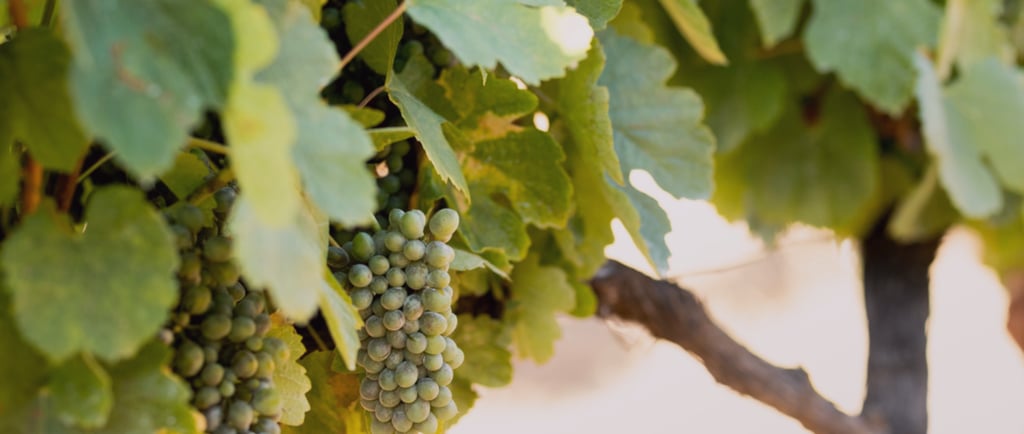
Clusters: Small in size (approx. 190 grams), conical, typically shouldered, and moderately compact.
Berries: Small and circular in cross-section with an elliptical profile.
Skin: Thick yet delicate, with a yellowish-green hue and a heavy bloom. It is prone to freckling and develops a golden color during ripening if highly exposed to sun and high temperatures.
Pulp: Firm, green, and highly vascularized. It is juicy and fleshy without specific flavors, though it possesses an intense, lingering, and distinctive aroma of apple and kiwi.
Pests and Sensitivity
Godello is highly susceptible to Powdery Mildew, with moderate sensitivity to Downy Mildew and Escoriose, and low sensitivity to Botrytis. It has poor frost resistance, and direct sun exposure can lead to skin scorching, causing oxidation in the musts. Its low yields and low juice-to-skin ratio were the primary reasons it once faced near-extinction.
Godello Beyond Galicia: El Bierzo and Portugal
While Valdeorras is the undisputed birthplace of Godello, its cultivation has successfully expanded into neighboring regions. These areas share similar climatic and geological traits but leave their own unique fingerprint on the variety.
Godello in El Bierzo: Minerality and Structure
Although the D.O. Bierzo is world-famous for its red Mencía wines, Godello whites are gaining extraordinary prestige and have become a top-tier focus for many leading wineries.
Terroir: El Bierzo shares with Valdeorras the influence of mountain ranges and soils composed of slate and clay-slate, which are ideal for Godello. However, the Bierzo region is essentially a hollow surrounded by mountains (a "bierzo" or valley). This topography creates a slightly milder and more humid microclimate than Valdeorras, with a lower risk of spring frosts.
Wine Profile: Bierzo Godello typically expresses a vibrant, electric minerality, a marked floral character (white flowers, jasmine), and notes of stone fruit (apricot) and fresh herbs. On the palate, it stands out for its perfect balance between lively acidity and a voluminous, silky texture. These are elegant, fine wines with great personality that maintain Galician freshness but with a rounder structure and a persistent finish that invites aging.
Godello in Portugal: "Gouveio"
Across the border in Portugal, Godello is known primarily as Gouveio. It has a significant presence in the northeastern regions, where it finds conditions similar to those in Galicia.
Key Regions:
Douro: Here, Gouveio is an authorized variety for the famous Douro whites, used in both dry wines and White Ports. In this region of steep slopes and schist soils, it contributes structure, good acidity, and citrus/floral aromas, adding freshness and complexity to coupages (blends).
Dão: In this more inland and mountainous region, Gouveio produces wines with more body and concentration, maintaining an aromatic profile of white fruit and a notable acidic "nerve."
Transmontana (Planalto Mirandês): Bordering Galicia, this is perhaps where Gouveio expresses itself most similarly to the Galician Godello—fresh, mineral, and very "vertical."
Wine Profile: The Portuguese style (Gouveio) tends to yield more robust wines with higher alcohol content than its Galician counterparts, though it always retains that characteristic acidity. These wines are prized for their ability to add structure and freshness to traditional blends.
This expansion demonstrates the versatility and immense potential of Godello. It is a variety that dialogues exceptionally well with the terroir, offering distinct yet consistently high-quality expressions: from the Atlantic elegance of Valdeorras and the vibrant minerality of El Bierzo to the robust structure of Portuguese Gouveio. A true oenological journey for any white wine lover.
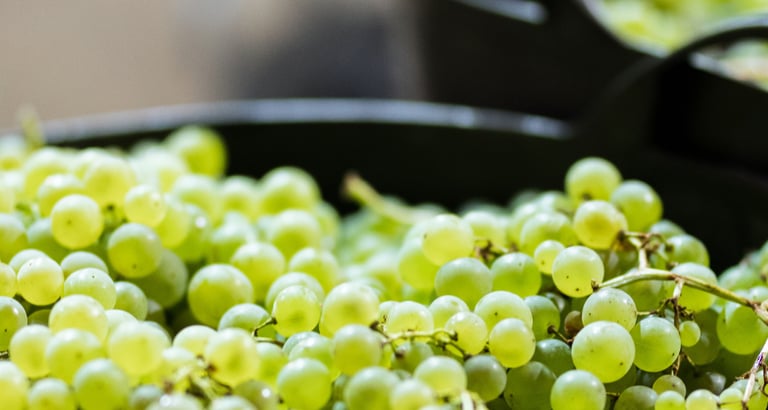
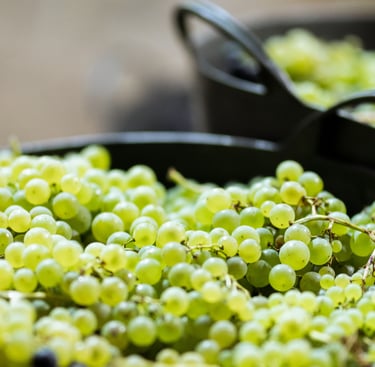
Food Pairings for Godello: The Harmony of Elegance
Godello is a remarkably versatile wine for the table. Its hallmark balance of vibrant acidity, silky structure, and an aromatic profile—ranging from citrus and white stone fruit to mineral and aniseed notes—makes it one of Spain’s most food-friendly white wines. Here are a few curated suggestions to help you get the most out of your next bottle of Godello:
1. The Classic Pairing: Seafood and Fish
This is Godello’s natural habitat. Its acidity effortlessly cuts through richness while enhancing oceanic flavors without overpowering them.
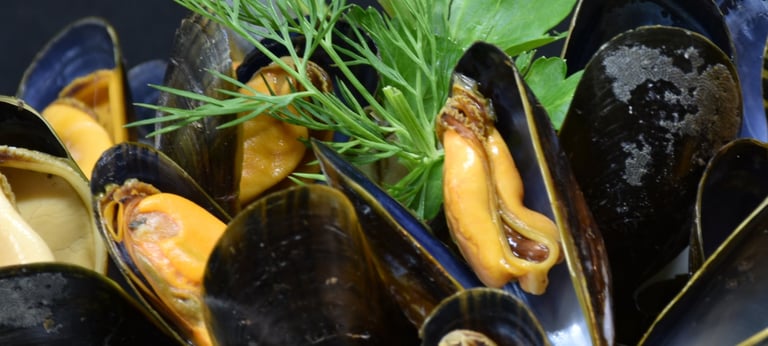
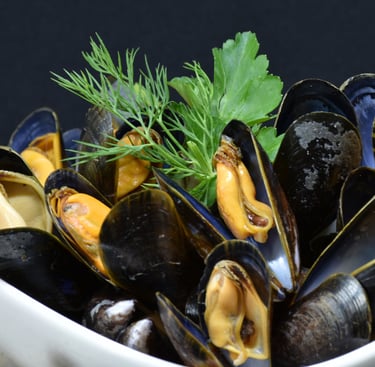
Oysters or Steamed Mussels: A masterful combination. The salinity of the shellfish and the wine's minerality elevate each other beautifully.
Grilled or Roasted White Fish: (Sea Bass, Sea Bream, Turbot). The wine adds a layer of complexity without stealing the spotlight from the fish.
Pulpo a la Gallega (Galician-style Octopus): The contrast between the wine’s silky texture and the smoky paprika is an absolute classic.
Sushi and Sashimi: Especially with salmon, butterfish, or prawns. Godello’s delicacy respects the harmony of the raw fish.
2. For the Adventurous Palate: White Meats and Rice Dishes
Thanks to its structure, Godello can venture far beyond standard fish dishes.
White Meats in Creamy Sauces: Chicken or turkey in a light mushroom or saffron sauce finds a perfect partner in Godello, which cleanses the palate and complements the creaminess.
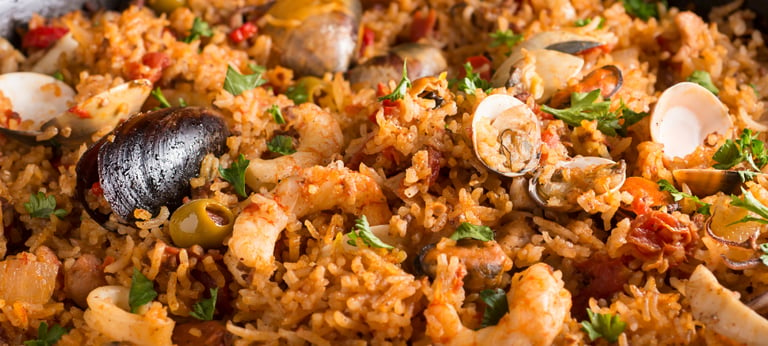
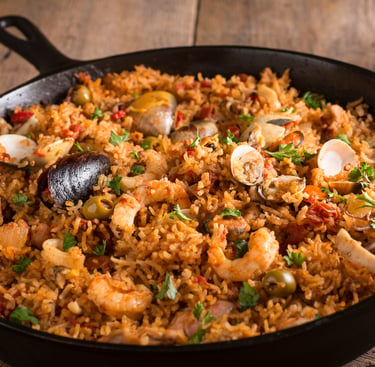
Seafood Paella or Arroz Negro: Bold rice dishes require a wine with character. Godello holds its own thanks to its body and persistent acidity.
Thai or Vietnamese Cuisine: Dishes featuring coconut milk, fresh herbs (cilantro, lemongrass), and moderate spice. Godello’s freshness tempers the heat while playing off the herbal notes.
3. Vegetarian and Market-Fresh Pairings
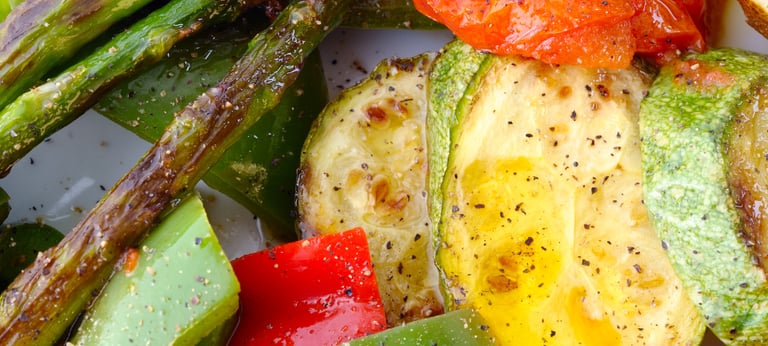
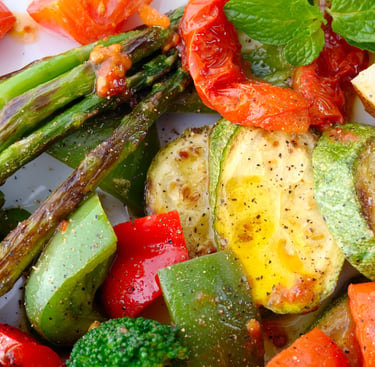
Roasted Vegetables: Charred asparagus, roasted peppers, or zucchini. Godello provides the vivacity these earthy flavors need.
Mushrooms and Fungi: Sautéed wild mushrooms or a mushroom risotto. The earthiness of the fungi finds a brilliant counterpoint in the wine’s fruit and mineral core.
Complex Salads: Featuring goat cheese, nuts, or fresh fruits (like mango or peach). Godello acts as the "thread" that ties all these diverse flavors together.
4. Cheese Pairings
Forget the cliché that only red wine pairs with cheese. Godello is an ideal match for:
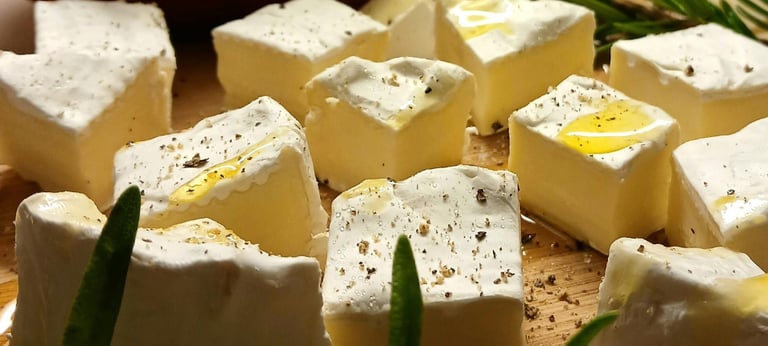
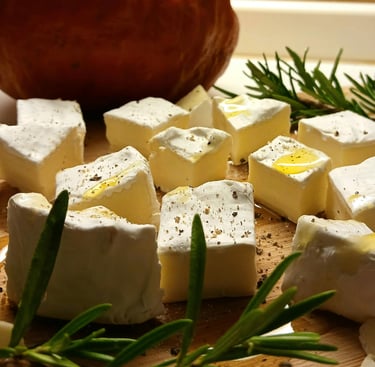
Fresh or Semi-Cured Goat Cheeses: The wine’s acidity and the cheese's creaminess create a perfect, mouth-watering harmony.
Semi-Cured Cow’s Milk Cheeses: Particularly those that are creamy and mild, allowing the wine’s elegance to shine through.
Read more posts


When is the Best Time to Pop the Cork?
Non-Alcoholic Wine
The Trend Reshaping the Market
PIWI wines
why they are leading the future of sustainable, pure viticulture now.
Age-Worthy vs. Early-Drinking Wines


Mencia Grape
Origin, Characteristics & Food Pairings
Your comment here
Contact
Inquiries & Consultations — Get in touch here
© 2026. All rights reserved.
Descubre mis libros en Español